- Home
- Circular Livelihoods
- Circular Plastics
- Capacity Building & Micro-Entrepreneurship in Kashmir
Capacity Building & Micro-Entrepreneurship in Kashmir
Conserve India’s Capacity Building and Micro-Entrepreneurship initiative in Baramulla, supported by HDFC Bank Parivartan and implemented with the Indian Army and Baramulla Municipal Council, empowered local communities—particularly women and youth—through a waste-to-wealth model. Spanning 3 tehsils and 22 panchayats, the program combined in-depth research, stakeholder engagement, and hands-on training in plastic waste management, upcycling, and green entrepreneurship. A standout outcome was the creation of Pōsh Bag, a women-led sustainable fashion brand that recycled over 1,200 kg of plastic and textile waste and generated ₹6,00,000 in revenue as of 20XX. By integrating environmental action with livelihood development, the initiative demonstrated a replicable model for circular economy-driven empowerment in remote and conflict-affected regions.
Funding organisations: HDFC Bank
Partner Organisations: Indian Army, Municipal Council Baramulla,
Implementation Organisations: Conserve India
A Waste-to-Wealth Transformation Powered by HDFC Bank Parivartan
What we did
In 2023, Conserve India, with support from HDFC Bank Parivartan and in collaboration with the Indian Army and Baramulla Municipal Council, launched a transformative initiative in Baramulla District, Jammu & Kashmir. The program aimed to tackle plastic pollution, unemployment, and gender disparity by turning waste into a catalyst for sustainable livelihoods.
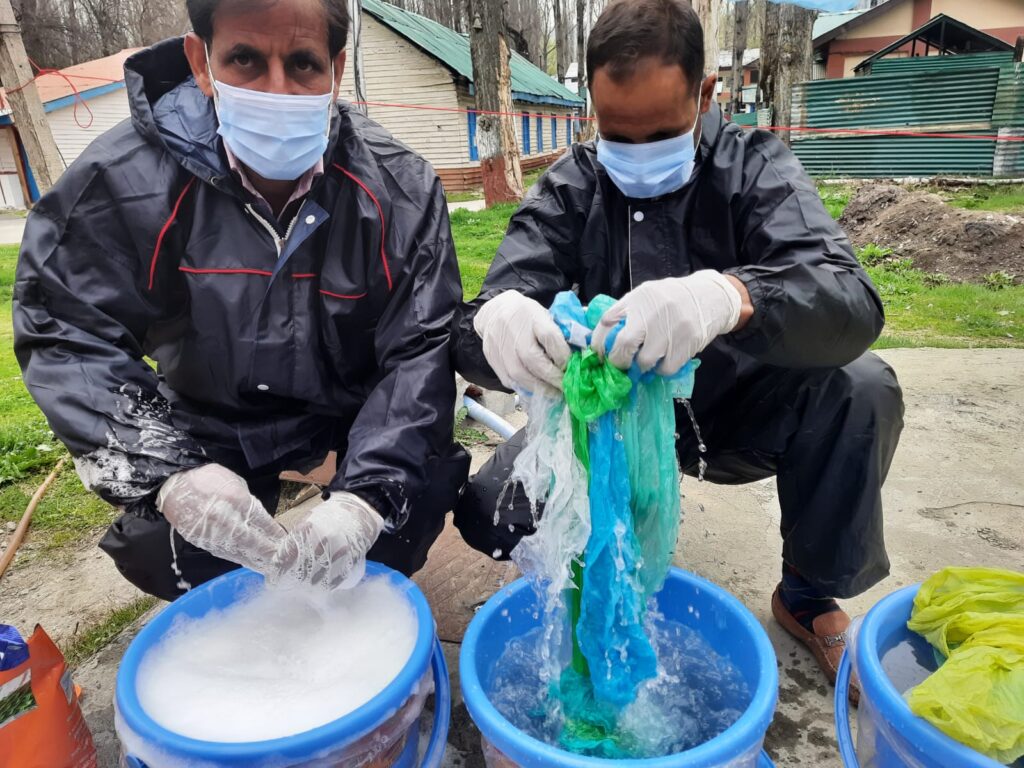
Spanning 3 tehsils and 22 panchayats, the initiative began with an extensive mapping of plastic waste intervention points across rural and urban landscapes. Over 290 stakeholders, including 78 government officials and 214 community members, were engaged through consultations, field assessments, and focus group discussions. This groundwork informed targeted interventions focused on training, infrastructure mapping, and micro-entrepreneurship.
Key activities included stakeholder analysis across the plastic waste supply chain, awareness workshops, capacity building for waste handling and design, and entrepreneurship support—especially for women and youth.
Why It Matters
Baramulla, like many conflict-affected and under-resourced regions, faces systemic barriers to livelihood generation and environmental sustainability. Waste management infrastructure is limited, and opportunities for women and youth are scarce. This initiative responded with a locally rooted, circular economy solution—one that empowers communities to convert plastic waste into valuable, market-ready products while building confidence, leadership, and resilience among participants.
By grounding the program in both research and grassroots participation, the project ensured that interventions were responsive, inclusive, and replicable.
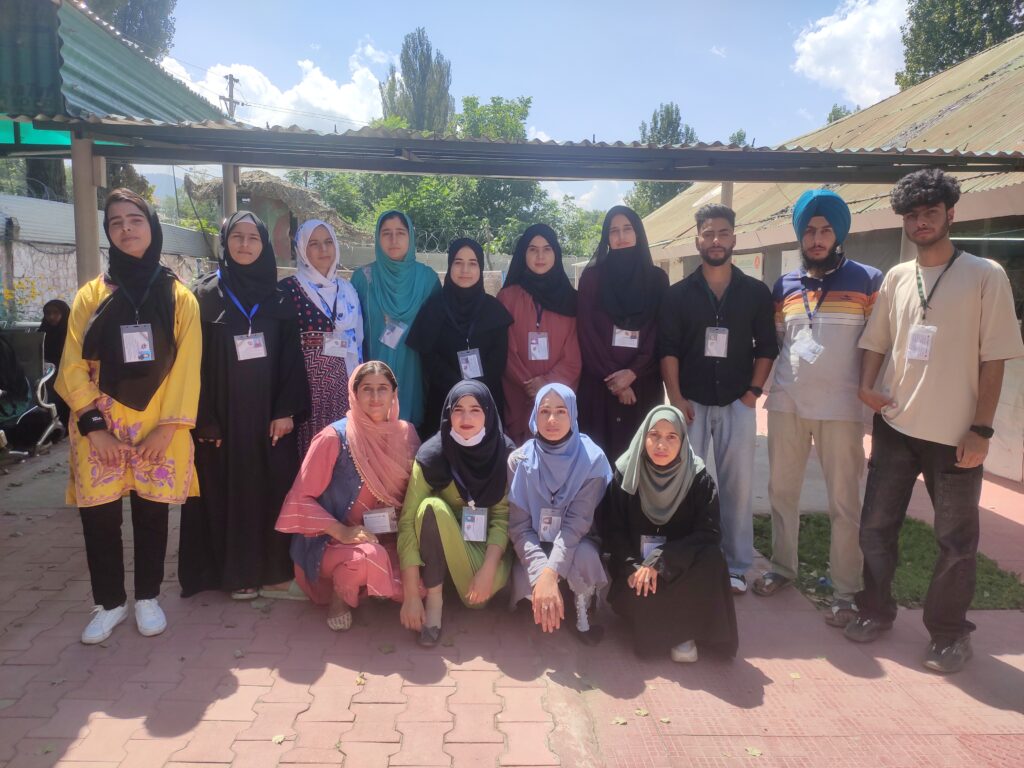
Outcomes
- 290+ stakeholders engaged across government and communities
- 1,200+ kg of plastic and textile waste recycled within the project period
- Establishment of Pōsh Bag, a women-led sustainable fashion micro-enterprise
- ₹6,00,000 in revenue generated through upcycled products as of 20XX
- 30 youth and 10 waste workers trained in green enterprise, fashion design, and circular leadership
This initiative demonstrates the power of circular models to foster social inclusion, economic resilience, and environmental impact in regions that need it most. Through creative reuse and community entrepreneurship, it transformed waste into wealth and marginalised individuals into changemakers. The success of Pōsh Bag and the broader program sets a compelling precedent for replicating similar initiatives in other underserved geographies.
Our Partners