- Home
- Community Upliftment and Empowerment
- WASH interventions
Wash interventions
Conserve India works closely with waste workers, artisans, and underserved households across several slum communities in Delhi-NCR, recognizing their essential role in the informal economy and urban sustainability. While these communities contribute meaningfully to waste recovery and recycling, they often live in deeply vulnerable conditions, especially when it comes to access to safe water, sanitation, and hygiene (WASH).
Improving Water, Sanitation, and Hygiene in Urban Informal Settlements
Many of the slum settlements where Conserve India operates face poor drainage, inadequate sanitation, and limited hygiene awareness. Clean drinking water is inconsistent, shared toilets are overburdened or absent, and overcrowded living spaces amplify the risk of disease transmission. Women, girls, and elderly residents are especially affected, facing barriers to safe hygiene practices and privacy.
What We Did
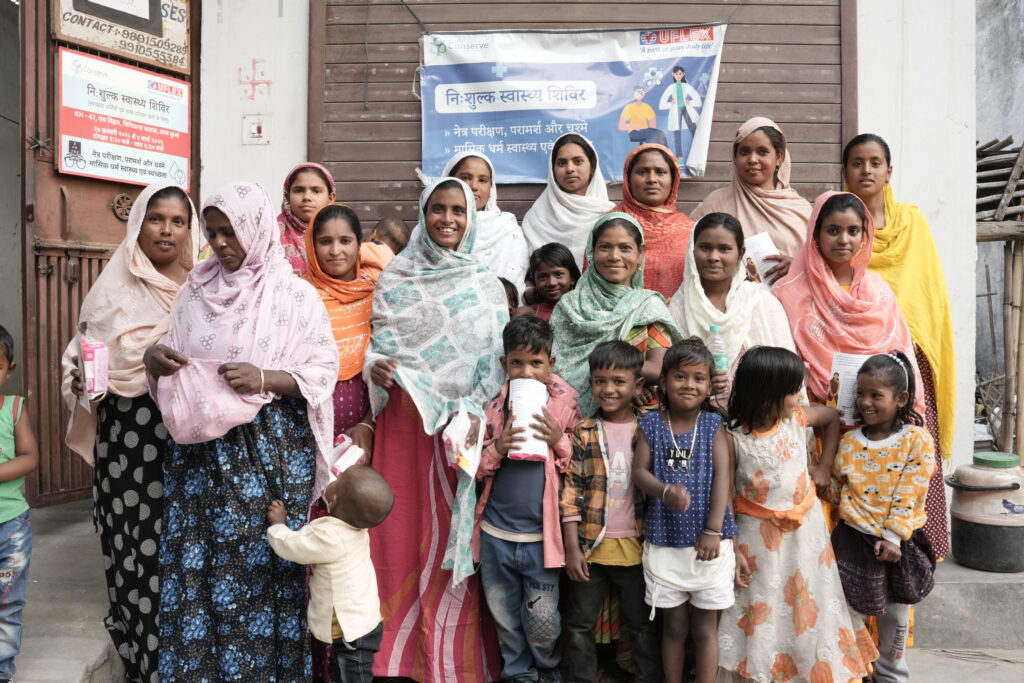
- Interactive WASH awareness sessions on handwashing, disease prevention, and sanitation
- Behavior change communication (BCC) using local languages, visual tools, peer educators, and community influencers
- Targeted menstrual hygiene management (MHM) sessions for adolescent girls and women
- Distribution of sanitary pads and hygiene kits, along with easy-to-understand informational pamphlets
- Creation of safe spaces for open dialogue on hygiene-related issues, especially those that carry stigma
These efforts are grounded in the principle that hygiene knowledge must be contextual, inclusive, and action-oriented—not just instructional.
Why It Matters
Access to water, sanitation, and hygiene is a basic human right, yet it remains out of reach for many living in informal settlements. For waste workers and artisans—who already face environmental, economic, and social vulnerabilities—poor WASH conditions directly compromise their health, safety, and dignity. By embedding hygiene education and access into its broader programming, Conserve India is helping build resilient, healthier communities that are better equipped to lead sustainable and inclusive urban transformations
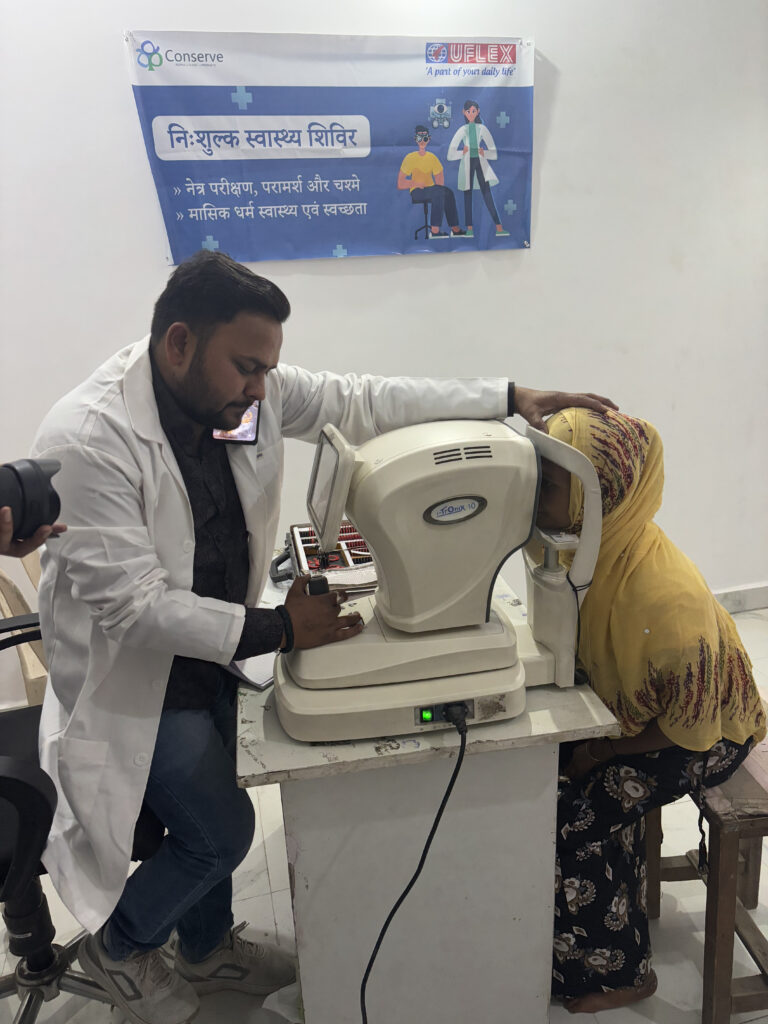
Outcomes & Impact
- Reached multiple urban slum communities across Delhi-NCR
- Engaged hundreds of residents, including waste workers, women, and adolescent girls
- Strengthened hygiene awareness and daily practices through culturally sensitive education
- Helped dispel menstrual taboos and empowered women to manage menstruation with dignity
- Supported a shift toward community-driven hygiene behavior change
- Embedded WASH messaging into existing livelihood and health programs, increasing impact and reach
Our Partners