- Home
- Research and Informed Policy
- Plastiskul
Plastiskul
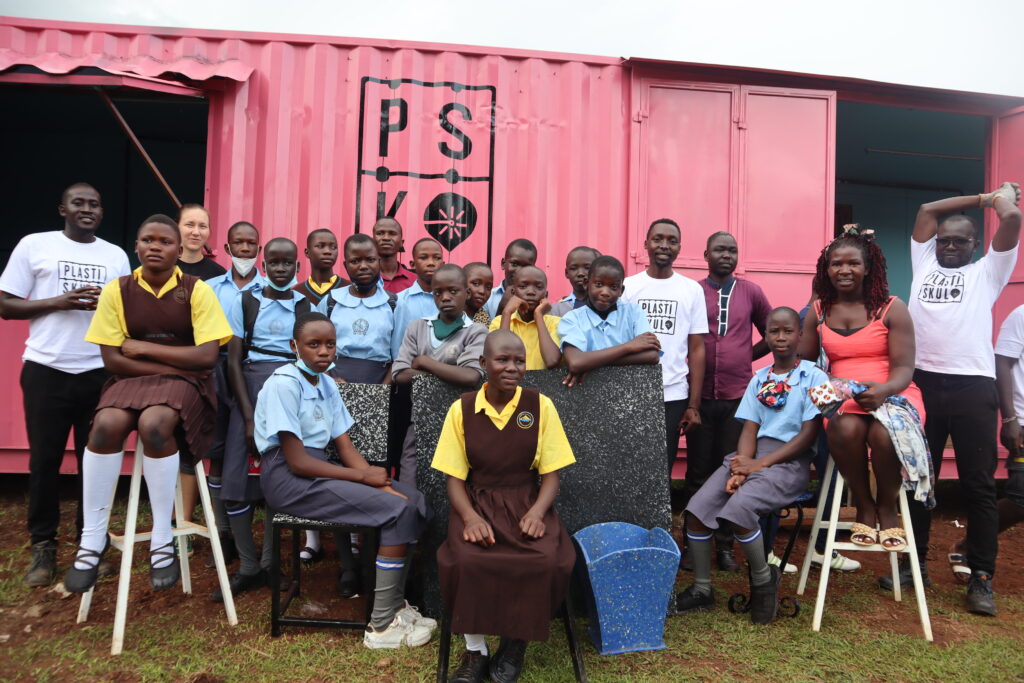
PlastiSkul was a pioneering initiative by Conserve India that ran from 2022 to 2024, demonstrating how decentralized, community-led micro-factories could transform plastic waste into valuable, locally relevant products. These limited-edition manufacturing units were designed to meet the specific needs of both urban and rural communities, while fostering social, ecological, and economic resilience.
Pilots were implemented in India and Uganda, where Conserve India established micro-factories equipped with machinery customized for local contexts. Equipment was sourced from India and the US, and operations were tailored to maximize impact using locally collected plastic waste. These micro-factories offered low-footprint, scalable solutions for sustainable production.
The initiative placed a strong emphasis on social inclusion and empowerment, especially of waste pickers and women. By addressing systemic challenges such as stigma, unsafe work conditions, and lack of formal employment, PlastiSkul enabled marginalized communities to transition into circular jobs, supporting sustainable livelihoods and upward mobility.
Why It Matters
India’s coastline faces a growing crisis of marine plastic waste, with discarded fishing gear posing significant environmental threats. Yet, this waste stream also presents an untapped economic opportunity for fisherfolk and coastal communities. By recovering and recycling fishing nets, this initiative aimed to demonstrate a circular blue economy model—one that reduces ocean pollution while creating livelihoods for informal workers and strengthening India’s role in sustainable material innovation.
The project also provided a business case for Interface Flor, showing that the recovery of Nylon 6/6 from Indian coastal waste is not only feasible but financially viable under the right conditions.
Key elements of the model included:
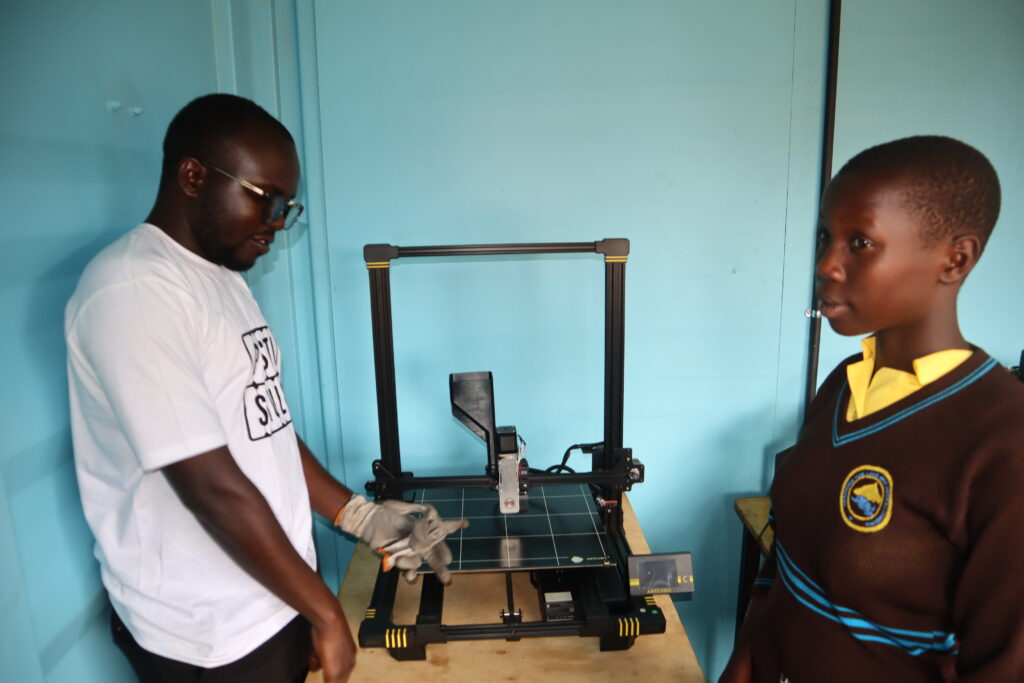
- Machinery & Technology designed to recycle multiple types of plastic waste.
- Capacity Building Services including plastic upcycling, 3D product development, and machine training.
- Micro-Factory Adaptability ensuring solutions suited diverse environments and spatial constraints.
Backed by partners such as Perrier, Ashoka, SoScience, MakeSense, and FabLab Drôme, PlastiSkul became a proof-of-concept for community-based circular economies, creating both environmental and socio-economic value while advancing the global movement for plastic waste reduction.
Our Partners