
- Home
- Events & Advocacy
- Advocacy on circularity
- Sustainable Textile Entrepreneurship Workshop
Sustainable Textile Entrepreneurship Workshop
At Conserve India, we believe that meaningful climate action begins with informed and empowered youth. Over the past 25 years, our education and outreach efforts have reached over 2,40,000 students, igniting sustainable thinking and waste responsibility from the grassroots up. Building on this legacy, the Circularity Changemaker Programme was launched to shape a new generation of environmentally conscious citizens by embedding sustainability into the learning experience.
This programme engages school and college students across both rural and urban India through interactive workshops, learning camps, and sensitisation sessions focused on environmental literacy, circular economy principles, sustainable development, and conscious consumerism. Our strategy blends age-appropriate content with experiential learning—ranging from field visits and activity kits to environmental clubs and hands-on projects—encouraging real-world understanding of issues like plastic and textile waste, overconsumption, and the need for a circular approach.
The initiative aligns with national goals like the Swachh Bharat Mission and Lifestyle for Environment (LiFE), promoting behaviour change and a sense of ownership toward environmental action. Students are nudged to become ‘Pro Planet People,’ with the tools and awareness to critically evaluate consumption patterns and build circular solutions.
Our implementation pedagogy includes sensitisation handbooks, changemaker toolkits, worksheets, and group activities—ensuring that the learning is not just conceptual but actionable. By equipping youth with the right mindset and skills, the Circularity Changemaker Programme is laying the foundation for a future driven by sustainability, empathy, and innovation.
To mark its 27th anniversary, Conserve India hosted a virtual Sustainable Textile Entrepreneurship Workshop, bringing together a dynamic mix of entrepreneurs, grassroots innovators, sustainability advocates, and ecosystem enablers from across the textile value chain. Designed as an engaging platform for knowledge exchange, the workshop aimed to strengthen understanding and collaboration around circular economy principles, particularly within the context of textile production and consumption. Through guided presentations, curated case studies, and interactive breakout discussions, the sessions explored a wide range of topics—from sustainable design and inclusive supply chains to responsible manufacturing and market access for green products. Real-world examples showcased the power of community-driven models and emphasized the potential of circularity in addressing pressing environmental and social issues in the sector.
Why It Matters
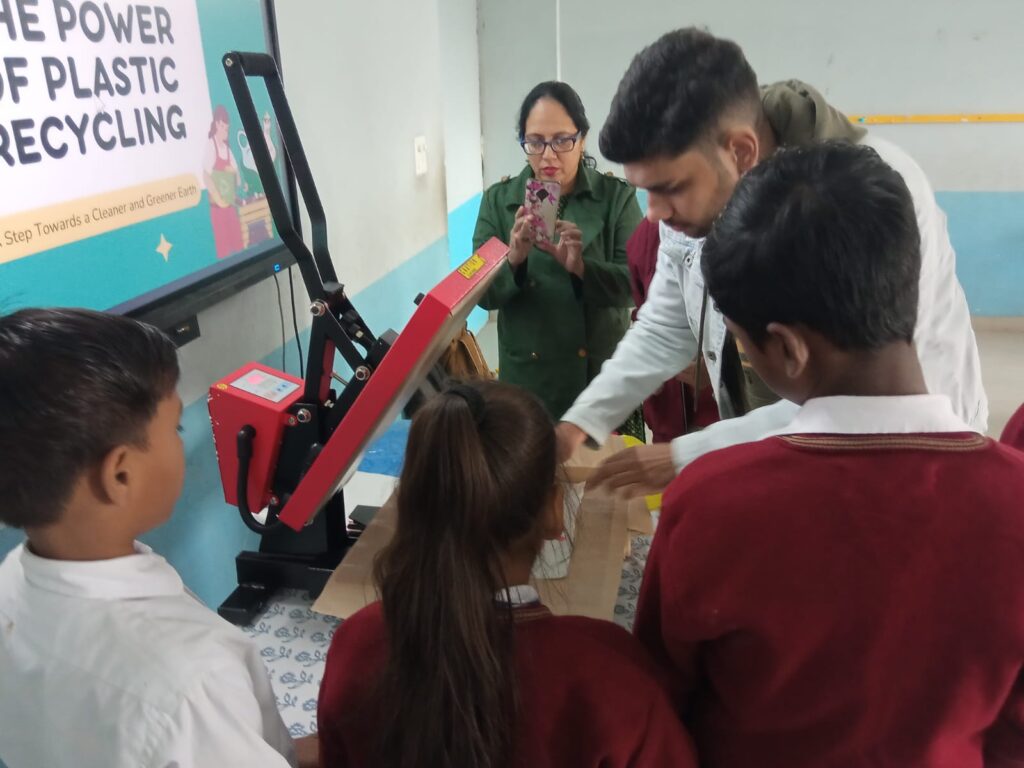
Early education plays a crucial role in shaping the values and behaviors of future generations. At a time when environmental degradation, waste pollution, and overconsumption threaten ecosystems and public health, it is essential to instill circular thinking and responsible action in school students. Swachhata Ki Pahal recognized that children are not just passive learners—they are powerful changemakers capable of catalyzing sustainability in their homes, schools, and communities.
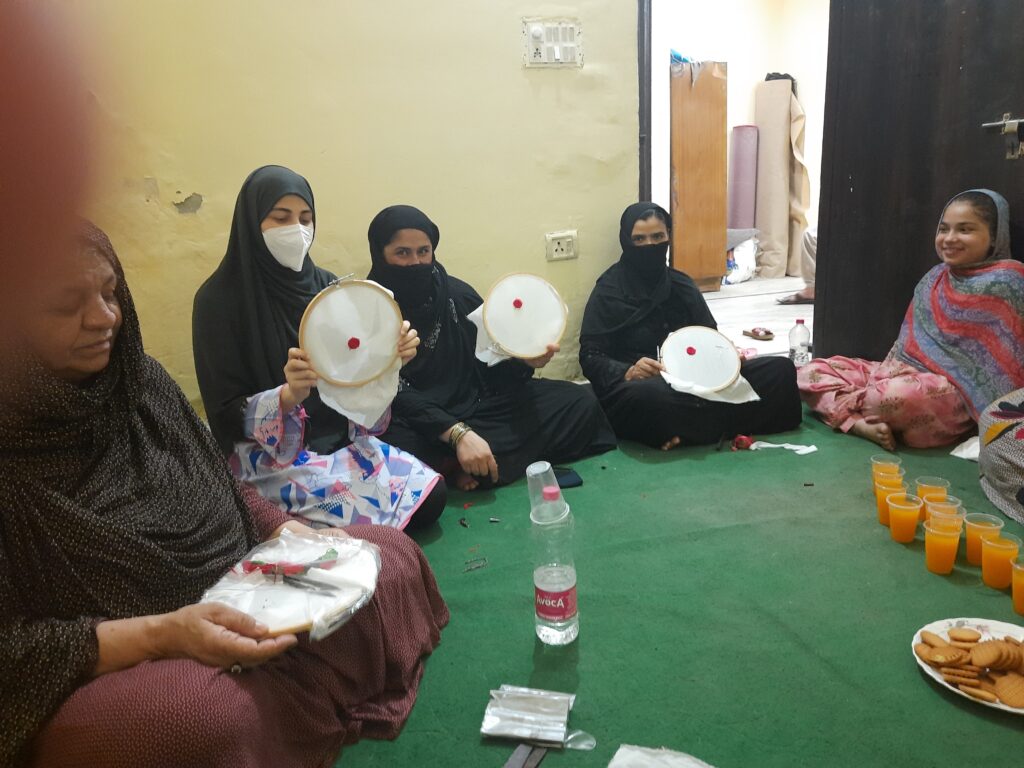
With environmental degradation, waste generation, and social inequities continuing to challenge the fashion and textile industries, the need for sustainable and inclusive models has never been more urgent. The workshop highlighted the innovative work already being done by early-stage entrepreneurs and local changemakers and provided them with visibility, peer support, and access to potential mentors and collaborators. It facilitated dialogue on the enabling infrastructure and policy frameworks needed to support circular textile ventures, and emphasized the importance of equity, inclusion, and local ownership in building a resilient future. By reaffirming its commitment to inclusive innovation and sustainability, Conserve India set the stage for future convenings, partnerships, and capacity-building efforts that can scale circular solutions and contribute meaningfully to climate action and social justice.
Our Partners