
- Home
- Events & Advocacy
- Advocacy on circularity
- Circularity in Fashion - Conserve and University of Utrecht
Circularity in Fashion - Conserve and University of Utrecht
During Catalysing Change Week 2022, Conserve India, in collaboration with Utrecht University, hosted a pivotal session titled “Circularity in Fashion: Incorporating Social and Inclusive Narratives.” The session served as a global platform to reimagine circular fashion through a lens of equity, inclusion, and social impact. A key highlight of the event was the launch of the Social Impact Assessment Framework for Circular Economy (SIAF-CE), developed by Lis J. Suarez Visbal with support from the Copernicus Institute of Sustainable Development. This innovative tool aims to help businesses and policymakers measure, evaluate, and enhance social outcomes in circular economy models, with strong alignment to the Sustainable Development Goals (SDGs), particularly SDGs 1, 5, 8, 9, and 12.
The session featured thought-provoking contributions from changemakers across sectors. Anita Ahuja (Co-Founder, Conserve India) shared insights on integrating waste workers and marginalized artisans into circular value chains, while Erinch Sahan (Doughnut Economics Action Lab) highlighted the need to shift business models toward equitable circularity. Kanika Ahuja (Founder, Lifaffa) moderated the session, emphasizing the importance of real-world inclusion in fashion enterprises, and Lis Suarez elaborated on the practical applications of SIAF-CE in industry and policy. The event not only fostered meaningful dialogue among global stakeholders but also strengthened collaborative pathways toward a socially just and circular fashion future.
On October 16, 2022, Conserve India, in collaboration with the Export Promotion Council for Handicrafts (EPCH), organized a panel discussion titled “How Waste Can Be Utilized to Generate Value” under the theme of Sustainability and Handicrafts. Held at the 54th IHGF Delhi Fair at the India Expo Center & Mart, Greater Noida, the session brought together a dynamic group of experts from environmental innovation, design, and circular economy. Panelists included Anita Ahuja (Conserve India), Dr. Madhumita Puri (Trash to Cash), Shubhi Sachan (Materials Library of India), Girija Jha (NIFT), and Shobha Raghavan (Saahas Zero Waste), with moderation by Kanika Ahuja (LIFAFFA/Plastiskul). Together, they explored how recycled materials—particularly plastic—can be repurposed into commercially viable handicrafts while advancing environmental sustainability and social equity.
Why It Matters
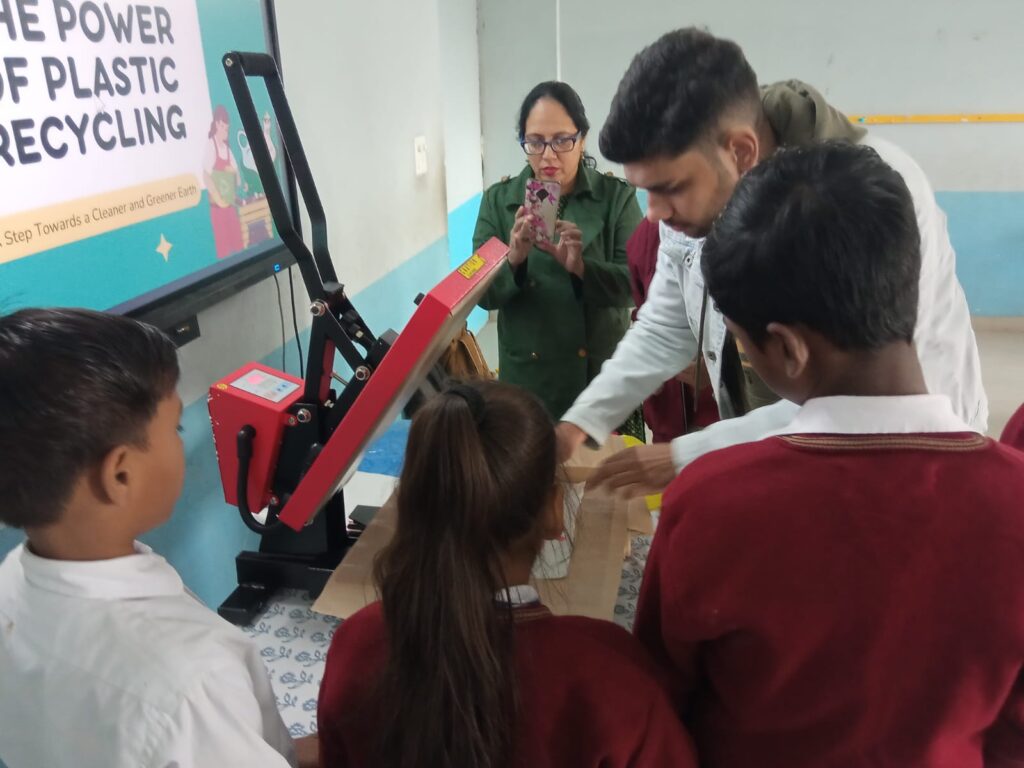
Early education plays a crucial role in shaping the values and behaviors of future generations. At a time when environmental degradation, waste pollution, and overconsumption threaten ecosystems and public health, it is essential to instill circular thinking and responsible action in school students. Swachhata Ki Pahal recognized that children are not just passive learners—they are powerful changemakers capable of catalyzing sustainability in their homes, schools, and communities.
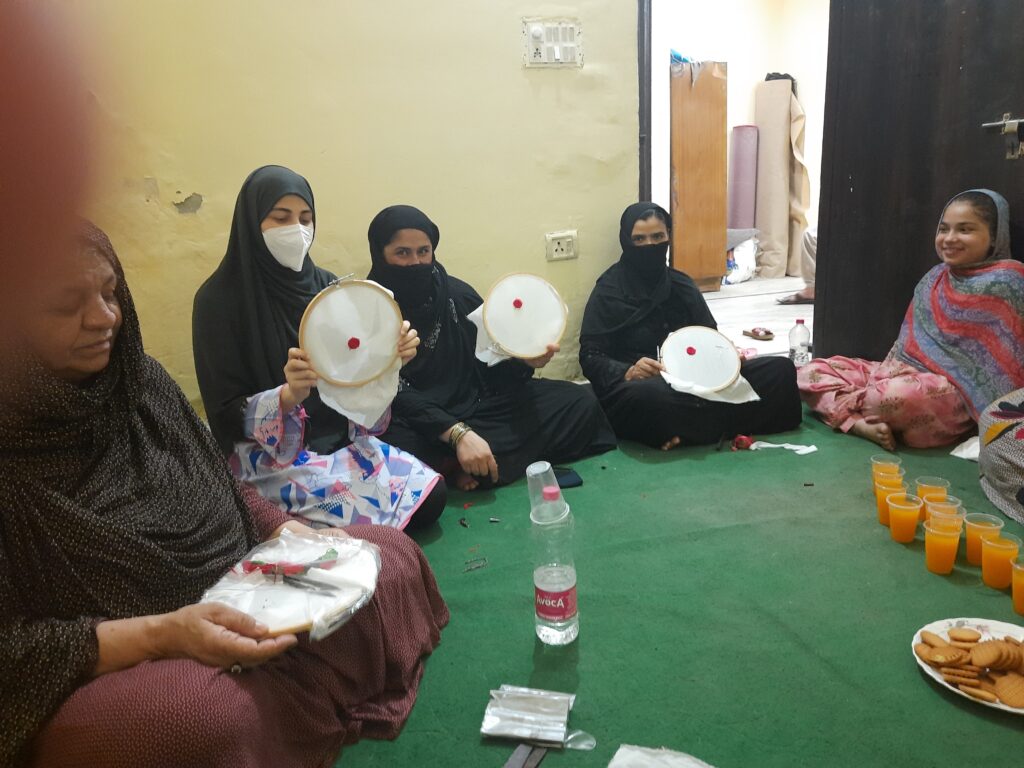
The discussion highlighted the potential of integrating waste into artisanal value chains, not only as a solution to plastic pollution but also as a means to generate sustainable livelihoods. A strong emphasis was placed on ethical manufacturing—ensuring fair wages, safe working conditions, and transparent sourcing—as a cornerstone of truly sustainable products. The session served as a powerful platform to showcase grassroots innovations and reinforced Conserve India’s and EPCH’s commitment to promoting circularity and inclusion within the handicrafts sector.
Our Partners