- Home
- Circular Livelihoods
- Circular Plastics
- RUP
RUP
The Recycling & Upcycling Plastic Waste (RUP) Project, implemented by Conserve India in Chipiyana Buzurg, Ghaziabad, was a transformative initiative launched in 2019 to tackle plastic pollution while creating dignified livelihoods for marginalized waste workers and artisans. Through a decentralized upcycling unit, over 100 individuals—primarily women and youth—were trained in recycling and circular design, turning low-value waste materials like plastic, textiles, flex banners, and fire hoses into high-quality products such as vegan leather bags and home décor. Supported by Conserve’s design and marketing arm, Lifaffa, the project enabled market access and microenterprise development, while also advancing community awareness around health, hygiene, and sustainability. By bridging environmental goals with socio-economic empowerment, the RUP Project became a replicable model for circular innovation in underserved urban communities.
Empowering Communities Through Circular Innovation in Ghaziabad
What we did
Launched in 2019, the Recycling & Upcycling Plastic Waste (RUP) Project was a pioneering initiative implemented by Conserve India in Chipiyana Buzurg, Ghaziabad (Uttar Pradesh). The project addressed the dual challenge of plastic waste pollution and the economic marginalization of waste workers and artisans by building a decentralized upcycling ecosystem rooted in community empowerment.
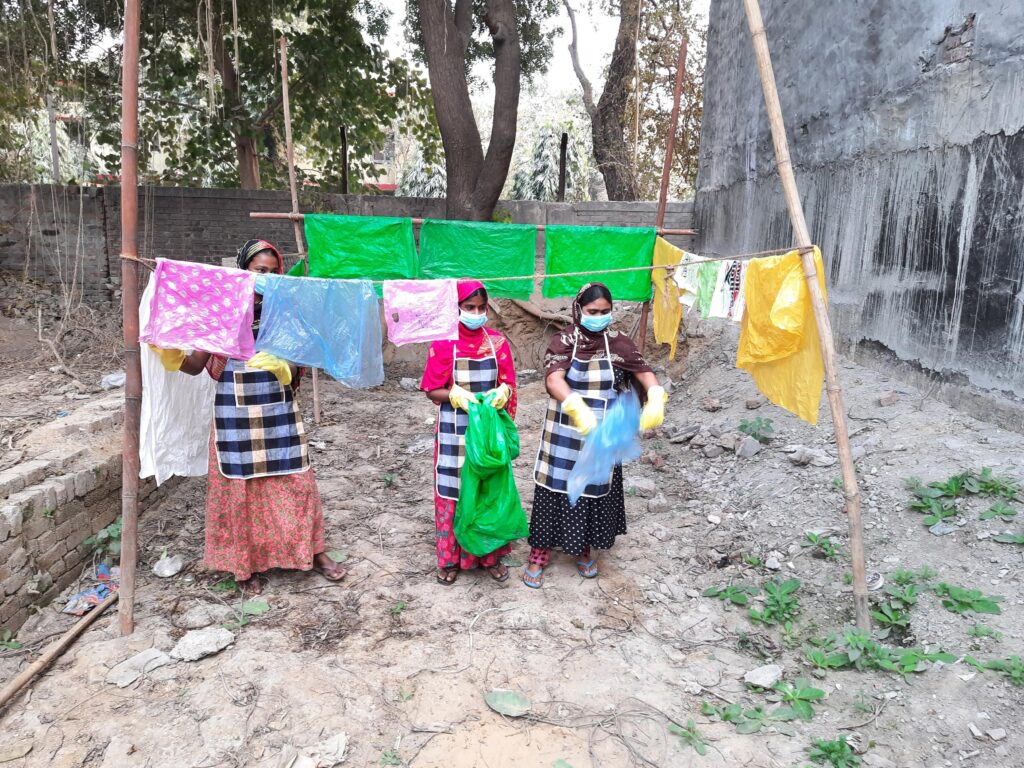
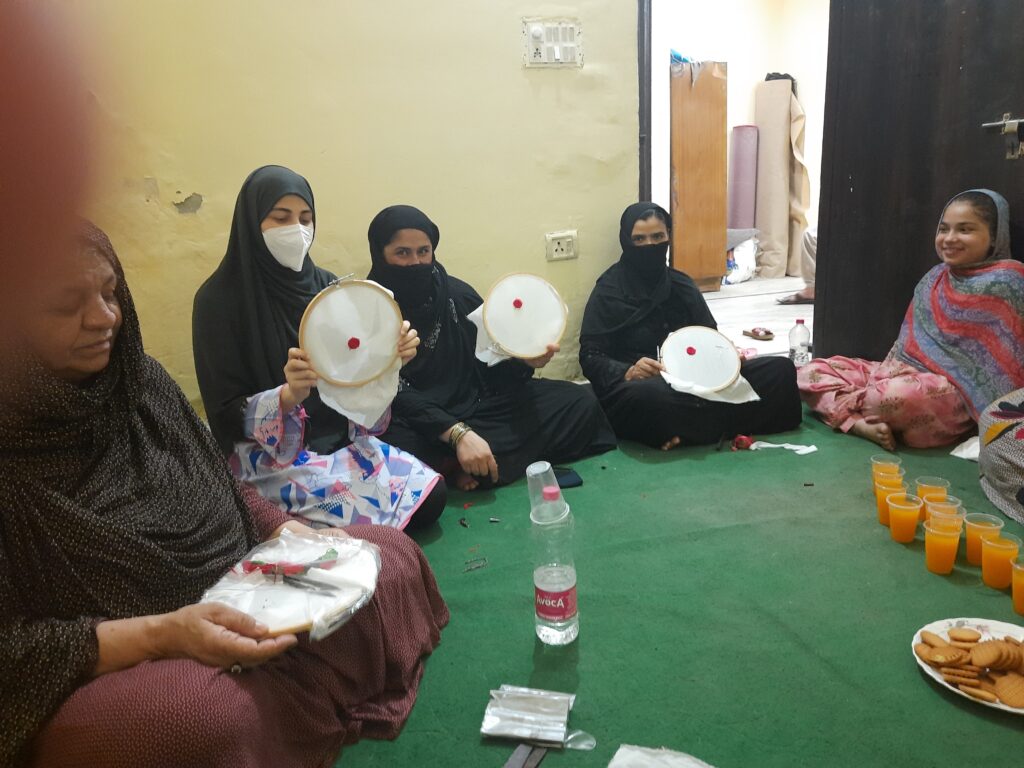
At the center of the initiative was a waste-to-wealth production unit, where local participants—especially women and youth—were trained in plastic and textile waste collection, segregation, cleaning, and upcycling. Using materials like LDPE, HDPE, flex banners, fire hoses, and discarded textiles, trainees developed high-value products including vegan leather bags, home décor items, and accessories.
The project also integrated entrepreneurship training, market linkage support, and brand collaboration through Conserve’s design and marketing wing, Lifaffa, helping formalize microenterprises and connect products to domestic and global markets.
Why It Matters
In a region with limited formal employment and escalating waste challenges, the RUP Project offered a circular solution that was both environmentally restorative and socially inclusive. By linking waste management with income generation, the project created dignified livelihood pathways, strengthened community resilience, and demonstrated how grassroots innovation can drive sustainable urban transformation.
The initiative also delivered impactful awareness workshops on WASH (Water, Sanitation, and Hygiene), gender equality, and menstrual health, while supporting communities during the COVID-19 crisis through SAHYOG and Sahayata relief programs.
Outcomes
- 100+ waste workers and artisans trained in plastic and textile recycling
- Formation of Self-Help Groups (SHGs) managing formal microenterprises
- Creation of market-ready, high-value upcycled products
- Reduction in local plastic waste and improved recycling practices
- Strengthened access to markets through Lifaffa
- Community-level engagement on health, hygiene, and social equity issues
- COVID-19 relief and resilience-building through emergency response efforts
The RUP Project stands as a model for circular livelihoods that integrate climate action, gender equity, and community development. By transforming waste into opportunity, it turned marginalised individuals into agents of change, offering not only livelihoods, but also skills, confidence, and a renewed sense of purpose.
Our Partners