- Home
- Circular Livelihoods
- Circular Plastics
- SBI LEAP
SBI LEAP
The SBI LEAP: Waste Upcycling Micro-Enterprise in Baramulla, Jammu & Kashmir, is a collaborative initiative by Conserve India, supported by the SBI Foundation under its Livelihood and Entrepreneurship Accelerator Program (LEAP). Implemented in partnership with the Indian Army and Baramulla Municipal Council, the project addresses the dual challenge of plastic pollution and limited livelihood opportunities by establishing a women-led plastic waste upcycling unit. Through hands-on training in injection molding, circular product design, and green enterprise development, the initiative empowers local youth and women to become “wastepreneurs,” creating dignified, sustainable livelihoods while contributing to environmental resilience in one of India’s most underserved regions.
Funding organisations: SBI Foundation
Partner Organisations: Indian Army, Municipal Council Baramulla,
Implementation Organisations: Conserve India, Chinar Yuva Centre
Turning Plastic Waste into Opportunity in Baramulla, J&K
Launched in February 2025, the Waste Upcycling Micro-Enterprise in Baramulla, Jammu & Kashmir, is a transformative initiative that blends environmental action with inclusive livelihood creation. Supported by the SBI Foundation under its flagship Livelihood and Entrepreneurship Accelerator Program (LEAP), and implemented in partnership with the Indian Army and Baramulla Municipal Council, the project is converting plastic waste into a source of sustainable income and local enterprise.
What We are doing
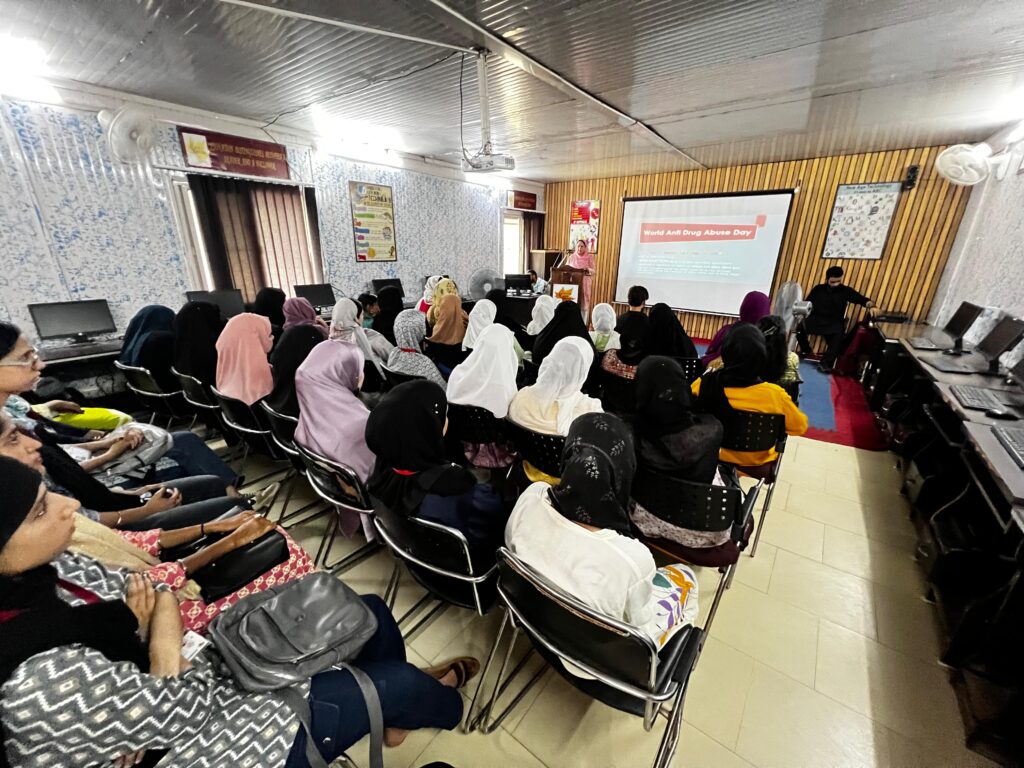
At the heart of the initiative is a Plastic Waste Upcycling Unit established at the Chinar YUVA Centre, equipped with injection molding technology. The unit functions as a decentralised, women-led production hub, where youth and women from the region are trained in:
- Machine operations and safety
- Circular product design and development
- Green entrepreneurship and micro-enterprise creation
A detailed baseline assessment was conducted prior to implementation, covering plastic consumption patterns, infrastructure gaps, stakeholder roles, and livelihood opportunities. This ensured that the program was data-driven and locally responsive.
Why It Matters
Baramulla, like many regions in Jammu & Kashmir, faces limited formal employment, growing plastic pollution, and restricted entrepreneurial opportunities—especially for women and youth. This initiative responds to these intersecting challenges by:
- Empowering underrepresented groups with green skills
- Turning waste into a catalyst for enterprise and dignity
- Integrating circular economy models in a conflict-affected and resource-constrained region
By investing in people and the planet, the project offers a powerful blueprint for circular, inclusive development.
Expected Outcomes
- Women and youth are upskilled in recycling operations, product development, and enterprise management
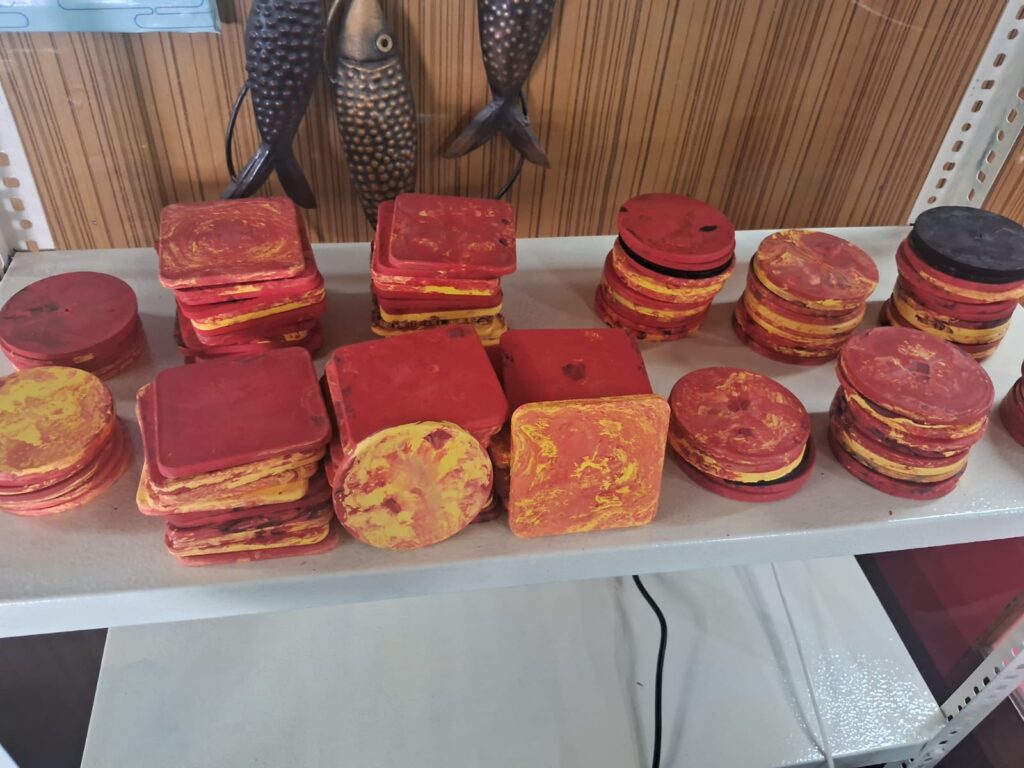
- HDPE and PP waste are transformed into marketable items—home décor, utility products, eco-friendly awards
- Creation of income-generating micro-enterprises, led by local changemakers
- Reduction in plastic pollution and demonstration of circular innovation at the community level
Looking Ahead
This project is not just about recycling—it’s about reimagining the role of waste in building resilient economies. With the backing of the SBI Foundation, the model holds potential for scaling across India, especially in conflict-affected, remote, or low-resource areas.
Through this initiative, Conserve India is proving that waste can be wealth, skills can lead to enterprise, and local challenges can inspire systemic change.
Our Partners