
- Home
- Circular Livelihoods
- Circular Textiles
- Stitching
Stitching
Stitching Hope was a strategic initiative led by Conserve India in partnership with Special Hands of Kashmir, an artisan collective in Gotapora village, Budgam, Jammu & Kashmir. Conducted in November 2022, the project focused on skill mapping and needs assessment of 200 artisans—38 of whom are differently-abled—practicing traditional Sozni embroidery on Pashmina. By identifying gaps in technical skills, design exposure, and entrepreneurship, the initiative proposed tailored interventions to support upskilling, inclusion, and market access. It highlighted the transformative potential of heritage crafts in promoting social inclusion, economic independence, and dignity for artisans with disabilities.
Partner organisations: Special Hands of Kashmir
A Conserve India Initiative with Special Hands of Kashmir
What we did
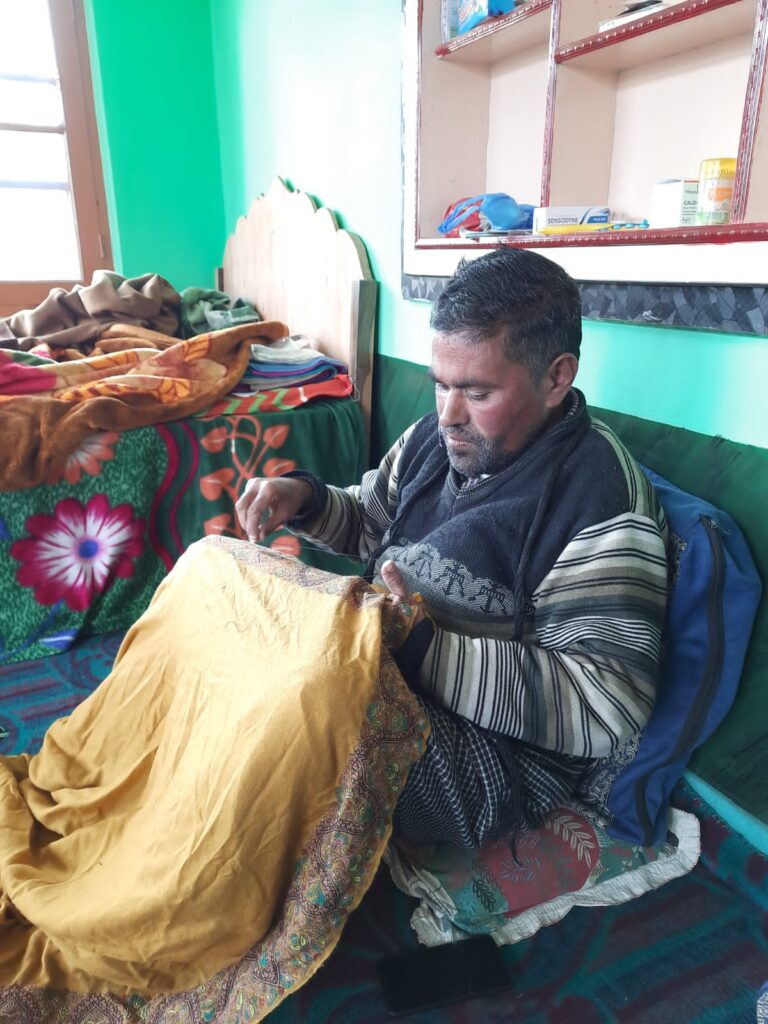
In November 2022, Conserve India undertook a strategic assessment initiative in Gotapora village, Budgam, Jammu & Kashmir, in collaboration with Special Hands of Kashmir—an artisan collective founded in 2010 by Mr. Tariq Ahmad Mir. The collective is dedicated to preserving the traditional art of Sozni embroidery on Pashmina while promoting inclusive livelihoods for artisans, including 38 individuals with disabilities.
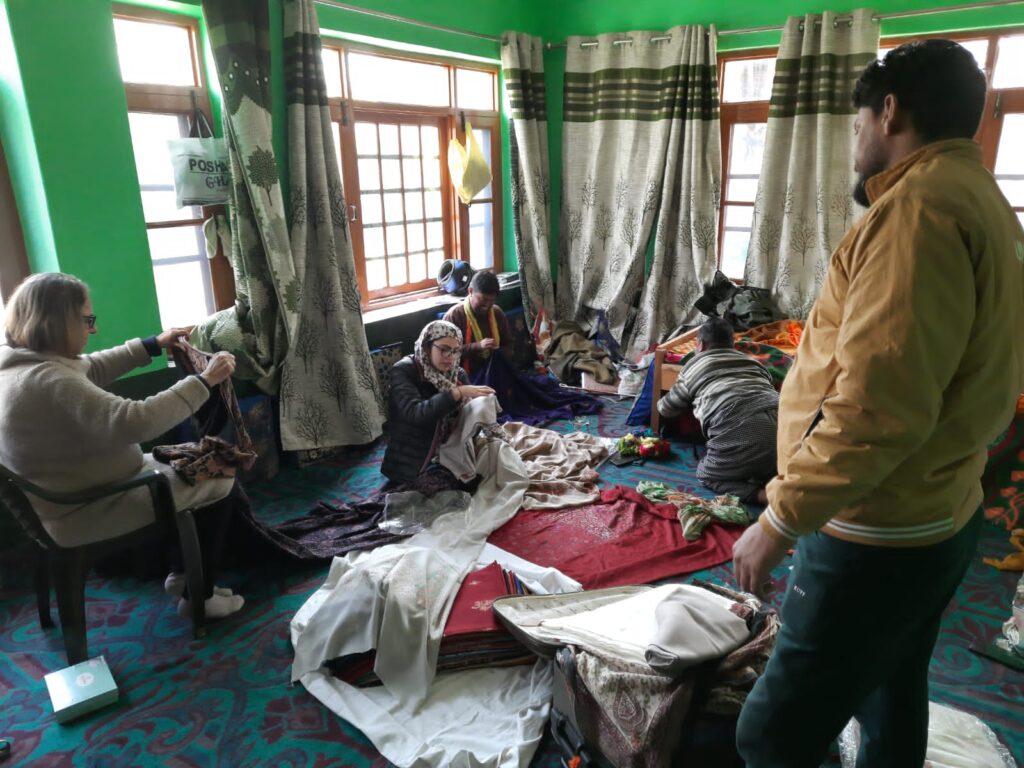
The project began with a comprehensive skill mapping and profiling exercise involving 200 artisans. Through direct interaction and on-ground observation, Conserve India assessed their proficiency in Sozni embroidery and categorized them into intermediate and advanced levels. This laid the foundation for identifying targeted areas for improvement.
A subsequent training needs and gap analysis revealed challenges such as limited technical refinement, lack of exposure to contemporary design, and minimal entrepreneurial experience. Based on these findings, the team proposed tailored upskilling and design innovation strategies to help artisans expand their market potential.
Why It Matters
Differently-abled artisans often face multiple layers of exclusion—from economic marginalization to limited access to adaptive tools and inclusive workspaces. This initiative recognized the power of heritage crafts to drive social inclusion, and the transformative role of dignified employment in building autonomy and confidence for artisans with disabilities.
By documenting the lived experiences of these artisans and understanding their socio-economic context, the project helped reinforce the importance of supporting traditional crafts not just as a cultural asset, but as a tool for inclusive and sustainable development.
Outcomes
- Skill mapping conducted for 200 artisans, including 38 differently-abled individuals
- Clear identification of technical and entrepreneurial training gaps
- Greater visibility into the role of craft-based livelihoods in advancing social inclusion
- Recommendations for assistive tools, inclusive infrastructure, and design innovation
- Strategic pathways outlined for ethical market access and Fair Trade integration
Stitching Hope demonstrated how traditional crafts can be a powerful platform for both economic empowerment and social equity. By centering the voices and skills of differently-abled artisans, the initiative highlighted the potential of inclusive design and targeted capacity-building to create lasting change. With continued support, Special Hands of Kashmir can serve as a model for disability-inclusive artisan enterprises rooted in tradition, dignity, and resilience